


iGaming Unlocked: Slots, Poker & Betting Made Simple
You've seen the flashing lights, the slick ads, and the streamers raking in massive pots. But what actually separates a casual player from someone who cons
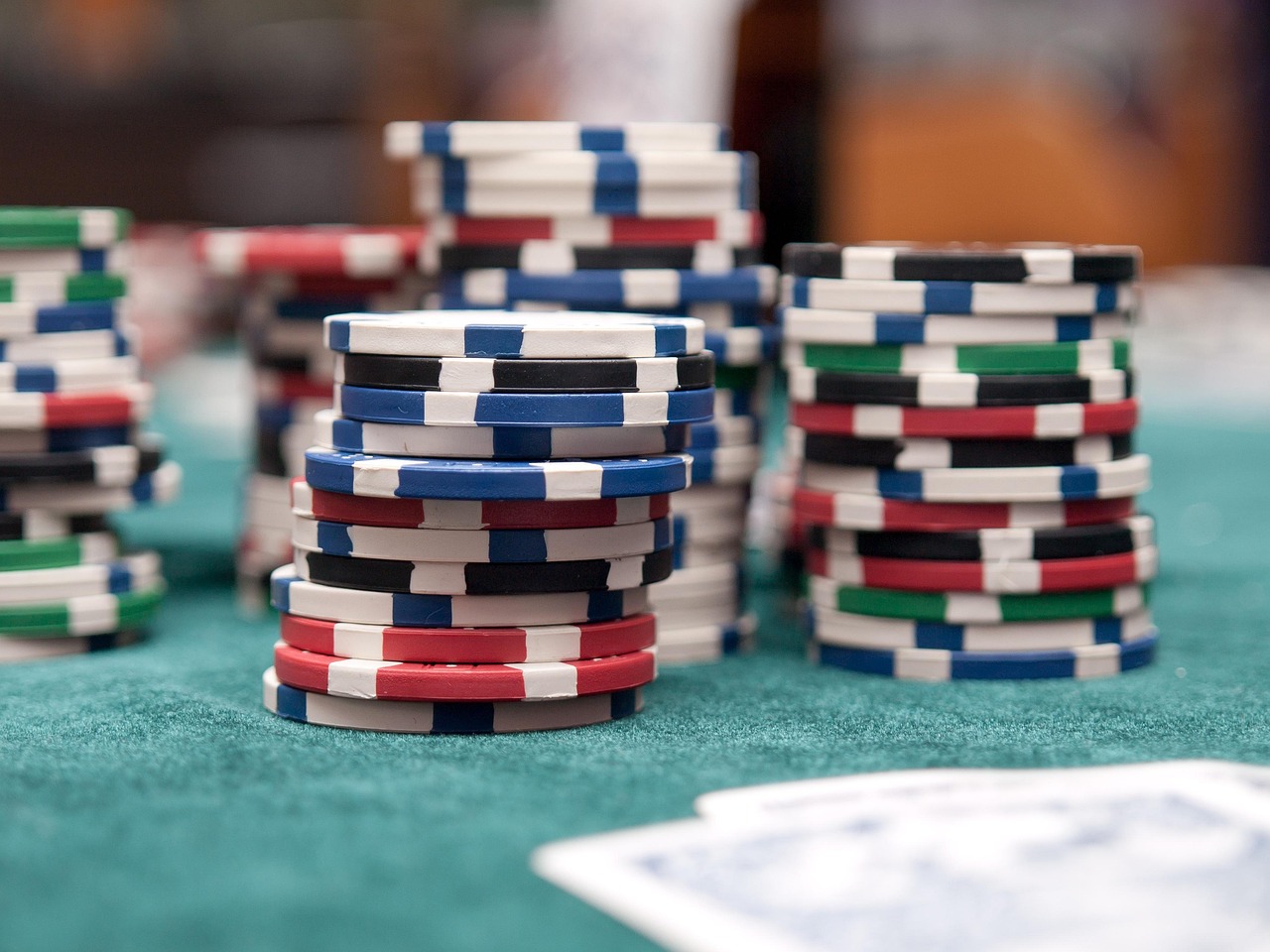
You've seen the flashing lights, the slick ads, and the streamers raking in massive pots. But what actually separates a casual player from someone who consistently enjoys the iGaming world without losing their shirt? It's not luck. It's understanding the mechanics, the math, and the psychology behind slots, poker, and sports betting. Whether you're spinning reels for the first time or trying to fix a leak in your poker game, this guide breaks down the essentials that actually matter.
Slots: More Than Just Pulling a Lever
Modern slots are engineering marvels disguised as entertainment. That shiny interface hides a random number generator (RNG) that determines every outcome the moment you hit spin. There's no hot or cold streak—each spin is independent. So why do some sessions feel like you can't lose while others drain your balance in minutes? Volatility and RTP are the two numbers you need to care about.
RTP (Return to Player) is the theoretical percentage of all wagered money that a slot pays back over millions of spins. A 96% RTP means the house edge is 4%. But here's the catch: RTP is a long-term average. In a single session, variance rules everything. High-volatility slots like Book of Dead or Bonanza can go hundreds of spins without a meaningful win, then explode with a 5,000x payout. Low-volatility slots like Starburst pay smaller amounts more frequently.
- Check the paytable: Know what the top symbol pays and how many lines you're activating.
- Set a loss limit: Decide before you spin what you're willing to lose. Stick to it.
- Use free play: Most casinos let you demo slots. Test volatility before risking real money.
- Bonus features matter: Free spins with multipliers or expanding wilds can swing a session. Read the rules.
One more thing: autoplay is convenient but dangerous. It removes the pause that lets you think. If you use it, set a stop condition—either a win cap or a loss limit. For a closer look, สล็อตเว็บตรง has helpful details.
Poker: Where Skill Eats Luck for Breakfast
Unlike slots, poker is a game of incomplete information where you play against other people, not the house. The house takes a rake, but your edge comes from making better decisions than your opponents. That means understanding position, pot odds, and player tendencies.
Position is everything. Acting last gives you more information. On the button, you can profitably play a wider range of hands because you see what everyone does before you act. Under the gun? Tighten up. Pot odds tell you whether a call is mathematically justified. If the pot is $100 and you need to call $20 to chase a flush draw (roughly 4:1 against on the next card), you're not getting the right price unless implied odds (future bets you can win) make up the difference.
- Play fewer hands preflop. Most beginners play 40–50% of hands. Winning players play 20–25%.
- Bet for value, not just to bluff. Bluffing is overrated at low stakes. Value betting is where the money is.
- Pay attention to bet sizing. A min-bet often means a weak hand or a draw. A pot-sized bet usually means strength.
- Track your results. Use a hand tracker or a simple spreadsheet. You can't fix leaks you don't see.
Bankroll management is non-negotiable. A common rule for cash games is 20 buy-ins for your limit. For tournaments, 50–100 buy-ins. If you drop below that, move down in stakes. Ego destroys bankrolls faster than bad beats.
Sports Betting: The Art of Finding Value
Betting on sports isn't about picking winners. It's about finding value—where the odds imply a lower probability than you believe is true. If you think a team has a 50% chance to win, but the decimal odds are 2.20 (implied probability ~45.5%), that's a value bet. Over time, those edges compound.
The main bet types you'll encounter:
- Moneyline: Pick the winner outright. Simple but often expensive for favorites.
- Point spread: The favorite must win by a certain margin. Levels the playing field.
- Over/Under: Bet on total points scored. Great for games where you expect a shootout or a defensive battle.
- Prop bets: Wagers on individual player stats—yards, points, strikeouts. Fun but often higher house edge.
Line shopping is free money. Different sportsbooks offer slightly different odds. Getting 2.10 instead of 2.00 on a coin-flip bet increases your long-term ROI by 5%. That's huge. Also, avoid parlays unless you're chasing a lottery-style payout. Correlated parlays (where one leg affects another) are usually sucker bets.
The Unspoken Rules of iGaming Longevity
Here's what separates people who enjoy iGaming for years from those who burn out in a month: discipline and curiosity. Discipline keeps you from chasing losses. Curiosity makes you learn the math, study the odds, and treat it as a puzzle rather than a get-rich-quick scheme.
Take advantage of bonuses, but read the terms. A 100% match bonus with a 40x wagering requirement on slots means you need to wager 40 times the bonus amount before withdrawing. If the bonus is $100, that's $4,000 in spins. At a 4% house edge, you're expected to lose $160 before clearing it. Sometimes the bonus is +EV; often it's a trap. Do the math.
Also, never play under the influence or when you're emotional. Tilt is real in poker, but it also hits slot players and sports bettors. If you just lost a bad beat, step away. The next decision you make will be worse if you're angry.
Final Thoughts: Treat It Like a Hobby, Not a Paycheck
The iGaming world is vast and genuinely entertaining. Slots offer escapism, poker offers intellectual combat, and sports betting adds sweat to games you already love. But the moment you rely on it for income, the fun evaporates and the pressure mounts. Set a monthly entertainment budget—money you're comfortable losing—and treat winnings as a bonus, not a given. Learn the odds, manage your bankroll, and never stop asking why. That's how you stay in the game for the long haul, and actually enjoy it.

Post a comment